
Summary
Following Cyclone Ditwah in late November, the international community provided substantial humanitarian support to Sri Lanka, coordinated by the United Nations and including financial aid and technical assistance from various nations and NGOs.
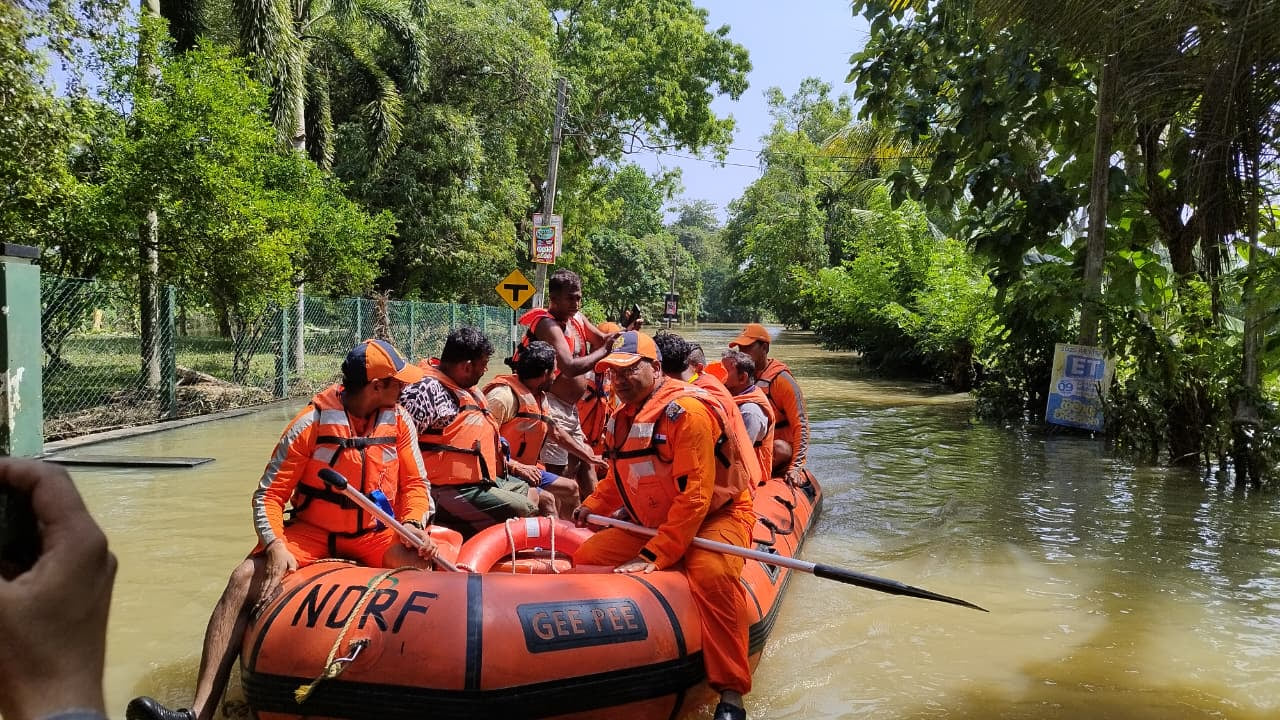
The international community has provided substantial humanitarian support to Sri Lanka following the devastating impact of Cyclone Ditwah. The cyclone, which made landfall in late November, caused widespread destruction, displacement, and significant humanitarian needs across several districts. The response has been multi-faceted, encompassing financial aid, in-kind donations, technical assistance, and deployment of humanitarian personnel from various international organizations, national governments, and non-governmental organizations (NGOs).
The United Nations (UN) has played a central coordinating role in the international response, launching a Flash Appeal to address immediate and critical needs. The appeal, sought funding for food security, emergency shelter, health, water, sanitation, and hygiene (WASH), protection, and early recovery efforts. Several UN agencies, including the World Food Programme (WFP), UNICEF, the World Health Organization (WHO), and the Office for the Coordination of Humanitarian Affairs (OCHA), have been actively involved in delivering aid and coordinating efforts on the ground.
Numerous countries have pledged and delivered significant financial and in-kind contributions. The United States Agency for International Development (USAID) announced a substantial aid package focusing on emergency relief supplies, food assistance, and support for livelihoods. Similarly, the European Union (EU), through its humanitarian aid arm (ECHO), provided emergency funding for immediate relief operations and early recovery initiatives.
Other notable contributors included from countries across the world such as; Japan: Provided emergency grants for shelter, food, and medical supplies, and deployed disaster relief experts. China: Offered financial aid, emergency relief materials, and technical assistance for infrastructure repair. India: Dispatched naval ships with humanitarian aid, including medical supplies, food, and rescue equipment, and pledged financial support. United Kingdom: Contributed to the UN Flash Appeal and provided bilateral assistance for shelter and WASH programs. Australia: Pledged financial support and technical expertise, particularly in disaster risk reduction and early warning systems. Canada: Provided funding through humanitarian partners for emergency relief and recovery efforts. Maldives: Provided financial assistance to Sri Lanka government by leading business organizations of The Maldives.
The WFP, with support from various donors, has been distributing emergency food rations, ready-to-eat meals, and providing cash transfers to affected households to ensure food security. Agricultural support for farmers who lost crops has also been a focus, with initiatives to provide seeds and tools for replanting.
Organizations like the International Organization for Migration (IOM) and the Sri Lanka Red Cross Society, supported by international funding, have been providing emergency shelter kits, temporary housing solutions, and materials for repairing damaged homes.
WHO and other health partners have been supporting the Ministry of Health in Sri Lanka to provide essential medical services, deploy mobile health clinics, distribute medicines, and address potential outbreaks of waterborne diseases. Mental health and psychosocial support services have also been prioritized for those traumatized by the cyclone.
Water, Sanitation, and Hygiene (WASH): UNICEF and other WASH cluster partners have focused on restoring access to safe drinking water, distributing hygiene kits, and rehabilitating damaged water and sanitation infrastructure to prevent disease spread.
Protection clusters, involving agencies like UNHCR and local NGOs, have been working to address the specific needs of vulnerable populations, including women, children, the elderly, and people with disabilities, ensuring their safety and access to services. This includes efforts to prevent gender-based violence and child protection issues in displacement settings.
Beyond immediate relief, international support has also extended to early recovery efforts aimed at helping communities rebuild their livelihoods. This includes cash-for-work programs, support for small businesses, and rehabilitation of damaged infrastructure like roads and schools. The World Bank and the Asian Development Bank have also indicated their readiness to provide long-term reconstruction loans and technical assistance.
Despite the significant international support, challenges remain. These include logistical hurdles in reaching remote areas, ensuring equitable distribution of aid, and transitioning from emergency relief to sustainable recovery. The long-term needs for housing reconstruction, infrastructure repair, and economic revitalization are substantial, requiring sustained international engagement and investment. The Sri Lankan government, in collaboration with international partners, is developing a comprehensive recovery plan to address these ongoing challenges.
The Sri Lanka President A.K. Dissanayake would likely underscore the Sri Lankan government's immediate and coordinated response, detailing measures taken for search and rescue, relief distribution, and the establishment of temporary shelters. This aims to assure both the local population and international partners of effective governance during a crisis. While acknowledging the immediate challenges, President Dissanayake would likely articulate a clear vision for rebuilding affected areas, restoring livelihoods, and implementing long-term disaster risk reduction strategies. This would include plans for infrastructure repair, housing reconstruction, and economic revitalization.
The President also touch upon the government's commitment to transparent and accountable management of aid and recovery funds, ensuring that resources reach those most in need. In essence, the government aims to project an image of a nation actively managing a crisis, grateful for international support, and determined to recover swiftly, while simultaneously protecting and promoting its vital tourism sector. - Claude Gunasekera
Comments
Loading comments...